Table of Contents
ToggleA good patio lounger turns a backyard into a retreat. Whether you’re reading on a Sunday morning or hosting friends for poolside drinks, the right lounger makes the space usable and comfortable. But walk into any outdoor furniture section and you’ll face dozens of options: adjustable backs, fixed frames, wicker, aluminum, cushioned, bare. Some are built for decades of sun and rain. Others won’t survive two seasons. This guide cuts through the marketing and covers what matters, materials, construction, sizing, and upkeep, so you can choose a lounger that fits your space, your climate, and how you actually use your patio.
Key Takeaways
- A patio furniture lounger transforms your outdoor space into a functional relaxation zone, enabling activities like napping, sunbathing, and reading that standard patio chairs don’t support.
- Aluminum and powder-coated frames offer rust-resistant durability for 10+ years in humid climates, while teak wood provides a premium 20+ year lifespan with natural oil resistance.
- Chaise lounges (72–78 inches) work for smaller spaces, while oversized daybeds (60–80 inches) accommodate two people but require permanent placement and extra maintenance.
- Climate conditions drive material selection: coastal areas need stainless steel and aluminum frames, high-UV regions demand UV-stabilized resin and solution-dyed fabrics, and temperate zones can support wood loungers with regular upkeep.
- Monthly washing with mild soap, semi-annual wax application for aluminum, and proper off-season storage prevent premature deterioration and extend lounger lifespan by years.
- Weight capacity, portability needs, storage availability, and recline mechanism quality (ratchet vs. pneumatic) are critical factors that directly affect long-term satisfaction and functionality.
What Is a Patio Furniture Lounger and Why You Need One
A patio lounger is an outdoor seat designed for reclining, typically featuring an angled or adjustable backrest and a footrest or extended seat. Unlike standard patio chairs, loungers prioritize horizontal relaxation rather than upright dining or conversation.
They’re built to handle UV exposure, moisture, and temperature swings that would destroy indoor furniture. Frames are usually powder-coated aluminum, stainless steel, resin wicker, teak, or high-density polyethylene (HDPE). Fabrics, if cushions are included, use solution-dyed acrylic or polyester with UV inhibitors and mildew resistance.
Why add one? Because a patio without a lounger limits how you use the space. You can’t nap outside, sunbathe comfortably, or stretch out with a book. A lounger turns a deck or poolside into a functional zone for rest, not just dining or standing around a grill. If you’ve got the square footage, it’s one of the highest-value additions to an outdoor setup.
Types of Patio Loungers: Finding Your Perfect Match
Not all loungers are the same. Design affects comfort, portability, and how much space you’ll need.
Chaise Lounges and Reclining Styles
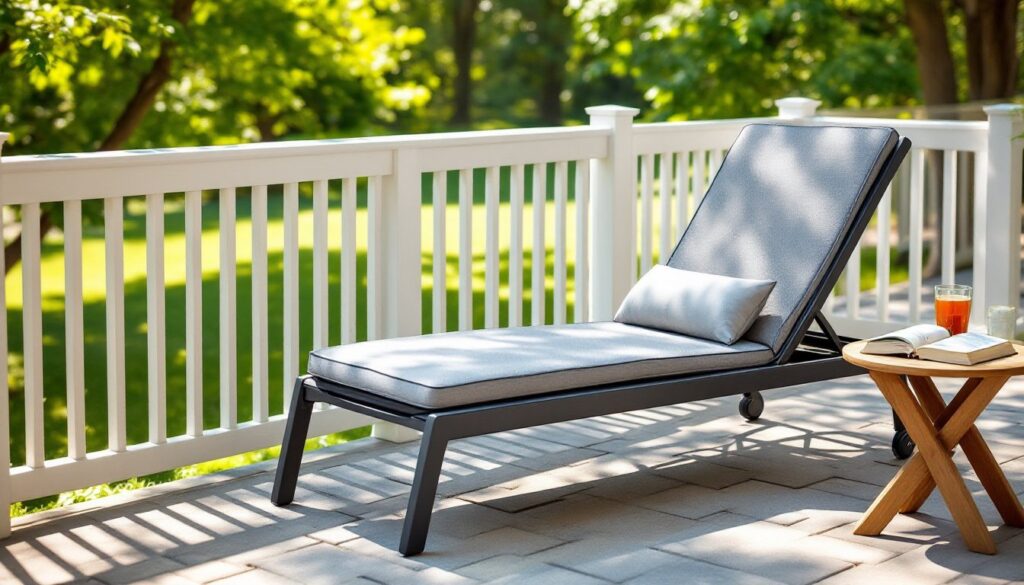
The classic chaise lounge features a long seat with an adjustable backrest, usually set at four to seven positions. Most measure 72 to 78 inches long and 24 to 28 inches wide. Look for frames with reinforced joints at the pivot points, cheap rivets fail after a season of adjustments.
Aluminum frames with sling fabric (polyester mesh) are lightweight and drain instantly after rain. They’re easy to move and stack, but offer less cushion. For more comfort, go with a chaise that has a separate cushion. These add 2 to 4 inches of padding but require storage or weatherproof covers when not in use.
Reclining loungers with wheels are a smart choice if you follow the sun or need to clear the deck for other activities. Pneumatic or ratchet mechanisms handle adjustment, pneumatic is smoother, but ratchet systems are easier to repair.
Some of the most popular picks among design-focused homeowners include those highlighted in guides covering outdoor lounge chairs for a range of aesthetics and climates.
Daybeds and Cabana Loungers
Daybeds are oversized loungers, typically 60 to 80 inches wide, designed for two people or solo sprawling. Many include canopies or adjustable shade panels. These work well on large patios, pool decks, or screened porches, but they’re not portable. Expect to anchor them or leave them in place all season.
Frames are usually powder-coated steel or synthetic wicker over an aluminum skeleton. Cushions are thicker, often 5 to 6 inches, and use high-density foam with a Dacron wrap to resist compression.
Cabana-style loungers add privacy panels or curtains. They’re ideal for pools or open yards where you want a defined relaxation zone. These are heavy (100+ pounds) and often require partial assembly on-site. Budget extra time and a second person for setup.
Materials That Matter: Durability Meets Style
Material choice determines longevity, maintenance, and whether your lounger survives your climate.
Aluminum is the workhorse. It won’t rust, weighs 30-40% less than steel, and handles humidity without swelling or warping. Powder-coated finishes add color and UV protection. Quality frames use welded joints, not screws. Expect 10+ years in coastal or high-humidity zones.
Teak is the premium wood option. It’s naturally oily, resists rot and insects, and weathers to a silver-gray patina. Untreated teak lasts 20+ years outdoors. Sealed teak keeps its honey color but requires annual re-oiling with teak oil or sealer. Avoid teak-look-alikes like eucalyptus unless they’re certified for outdoor use, they don’t have the same oil content.
Resin wicker (synthetic rattan) mimics natural wicker but uses polyethylene or PVC strands woven over a metal frame. It’s UV-stabilized and won’t crack or fade as quickly as natural wicker. Check the weave density, tighter weaves last longer and resist sagging. Cheap wicker uses thin, hollow strands that snap under stress.
HDPE (high-density polyethylene) lumber is recycled plastic formed into slats or planks. It won’t splinter, rot, or need staining. It’s heavy, which helps with wind resistance, but can feel less refined than wood or metal. HDPE is a solid choice for low-maintenance setups in any climate.
Sling fabric (usually textilene or polyester mesh) is tensioned across a frame. It dries fast, provides ventilation, and requires no cushions. Slings do stretch over time, replace them when they sag more than an inch below the frame.
For cushions, solution-dyed acrylic (like Sunbrella) resists fading and mildew better than printed polyester. Foam cores should be quick-dry polyurethane with an open-cell structure. Avoid solid foam blocks, they trap water and grow mold.
Many design-focused roundups, including those covering lounge chairs, emphasize material quality as a top factor in long-term satisfaction.
How to Choose the Right Lounger for Your Space and Lifestyle
Start with measurements. A standard chaise needs a footprint of roughly 27 inches wide by 78 inches long. Add another 24 inches behind and to the sides for walkways and adjustments. If your patio is under 100 square feet, a single lounger might crowd the space. Consider a compact folding model or a lounge chair instead.
Weight capacity matters more than most people realize. Standard loungers are rated for 250 to 300 pounds. If you plan to share a daybed or sit with kids, look for commercial-grade frames rated to 400+ pounds. Check the specs, marketing photos show two people, but the fine print often tells a different story.
Climate drives material decisions. Coastal areas demand stainless steel hardware and aluminum or HDPE frames, regular steel will rust within months. High-UV regions (Southwest, Southern states) need UV-stabilized resin and solution-dyed fabrics. Wood loungers work well in temperate zones but require more upkeep in wet climates.
Storage is a reality check. Can you leave the lounger out year-round, or does it need to go into a shed or garage in winter? Folding and stackable models simplify off-season storage. Cushions always need covered storage unless you’re using all-weather foam with a waterproof cover, and even then, you’ll extend their life by bringing them inside during heavy rain or snow.
Portability vs. permanence: Do you rearrange furniture often, or is this a set-it-and-forget-it purchase? Lightweight aluminum and sling loungers (under 25 pounds) move easily. Wicker daybeds and teak chaises (60 to 100+ pounds) stay put.
Finally, test the recline mechanism in person if possible. Ratcheting backrests should click firmly into place without wobble. Pneumatic adjusters should hold position without creeping down over time. If buying online, read reviews specifically mentioning the adjustment system, it’s a common failure point on budget models.
Maintenance Tips to Keep Your Lounger Looking New
Even the most durable lounger needs routine care.
Aluminum and powder-coated frames: Wash monthly with mild dish soap and water using a soft brush or sponge. Avoid abrasive pads, they’ll scratch the finish and expose bare metal. Rinse with a hose and dry with a microfiber cloth to prevent water spots. Twice a year, apply a thin coat of automotive paste wax to protect the powder coat from UV degradation.
Teak: If you want to maintain the original honey color, clean with a teak cleaner (oxalic acid-based) and apply teak oil or sealer every 6 to 12 months. For a natural gray patina, just rinse with water and scrub lightly with a soft brush to remove dirt and mildew. Never use a pressure washer on teak, it damages the wood fibers.
Resin wicker: Vacuum or brush out debris from the weave every few weeks. Wash with soapy water and a soft brush, paying attention to the underside where mold grows. Rinse thoroughly. For stubborn mildew, use a solution of 1 part white vinegar to 3 parts water. Let it sit for 10 minutes, scrub, and rinse.
Cushions: Spot-clean spills immediately with mild soap and water. For deeper cleaning, remove covers (if removable) and machine wash on a gentle cycle with cold water. Air-dry only, heat damages UV coatings and can shrink fabrics. Non-removable cushions can be scrubbed with a soft brush and soapy water, then rinsed with a hose. Prop them at an angle to drain and dry completely. Store cushions in a weatherproof deck box or indoors during extended rain or winter.
Hardware: Inspect screws, bolts, and rivets twice a season. Tighten loose fasteners with a socket wrench or screwdriver. If you see rust on stainless steel hardware (yes, it can happen in salt air), clean with a stainless steel cleaner and apply a light coat of marine-grade grease.
Covers: If you use a furniture cover, choose one with vents to prevent moisture buildup and mold. Secure it with straps or bungees so wind doesn’t tear it or blow it off. Remove covers on sunny days to let the lounger dry out completely.
Off-season storage: If you’re storing loungers for winter, clean them first, dirt and moisture accelerate deterioration. Store in a dry, ventilated space. Stack carefully if they’re designed for it, using protective pads between frames to prevent scratches.
Consistent care extends the life of any lounger by years. Most outdoor furniture fails prematurely not because of material flaws, but because of neglect. A few minutes of maintenance every month keeps your investment looking sharp and functional season after season.