Table of Contents
ToggleShopping for a bedroom furniture full set isn’t just about picking pieces that look good, it’s about creating a cohesive, functional space where everything from drawer slides to material finishes works together. A complete set eliminates the guesswork of matching individual pieces and often delivers better value than buying à la carte. Whether you’re furnishing a new home, upgrading a kid’s room, or finally replacing that mismatched collection from college, understanding what you’re buying, and why, makes the difference between a bedroom that works and one that just… exists.
What Is Included in a Bedroom Furniture Full Set?
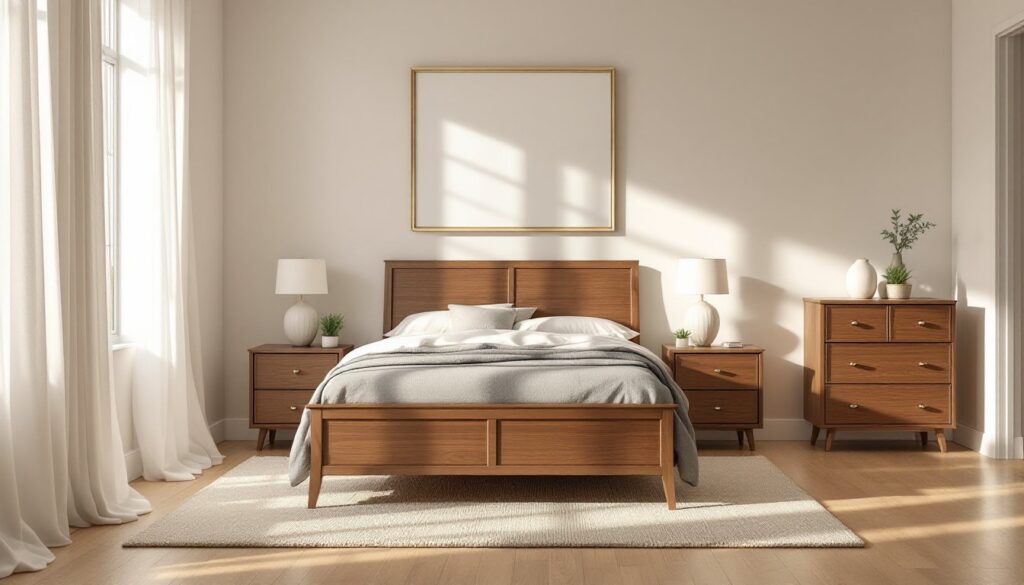
A standard bedroom furniture full set typically includes a bed frame (headboard and footboard), a dresser, a mirror, and one or two nightstands. Some manufacturers bundle in a chest of drawers as a fifth piece, particularly in larger collections.
The bed frame is usually sized for a full/double mattress (54″ × 75″), though sets are available in twin, queen, and king sizes. Bed frames may be panel style, sleigh, storage platform, or poster designs, depending on the collection’s aesthetic.
Dressers in full sets range from six to nine drawers, with widths typically between 48″ and 60″. They’re designed to provide bulk clothing storage and often anchor the room visually. The accompanying mirror is usually wall-mounted or dresser-mounted, sized proportionally to the dresser width.
Nightstands come in pairs or singles. Standard dimensions are 24″ to 28″ in height (level with the top of the mattress) and 20″ to 24″ wide. Most include one to three drawers or a combination of drawers and open shelving.
Optional pieces sometimes offered in expanded sets include a media chest (taller than a dresser, designed for TVs), an upholstered bench, or an armoire. Read the product description carefully, some retailers advertise a “5-piece set” that counts the headboard and footboard separately.
Benefits of Buying a Complete Bedroom Furniture Set
Matching finishes and joinery. When you buy a set, the stain color, wood grain, hardware, and construction methods are consistent across all pieces. That matters more than it sounds, trying to match a “cherry” dresser to a “cherry” bed from different manufacturers often results in mismatched tones under bedroom lighting.
Cost savings. Bundling typically saves 15% to 30% compared to purchasing each piece individually. Retailers and manufacturers use sets to move inventory efficiently and pass some of that savings along.
Simplified decisions. You’re not second-guessing whether the nightstand style complements the dresser or whether drawer pulls coordinate. The design work is done. That’s a real advantage if you’re furnishing on a deadline or don’t want to spend weeks comparison shopping.
Streamlined delivery and assembly. Most sets ship together or in coordinated shipments, meaning you’re not waiting on a backordered nightstand while your bed frame sits in the garage. Assembly instructions are also unified, hardware packs are labeled consistently, and you’re working with the same cam locks, dowels, and brackets across all pieces.
How to Choose the Right Bedroom Furniture Set for Your Space
Start by measuring the room and sketching a rough floor plan. Bedroom furniture doesn’t flex to fit, you need to know what clears doorways, leaves walkway space, and doesn’t block windows or HVAC vents.
Measuring Your Room and Planning Layout
Measure twice, buy once. Record the room’s length, width, and ceiling height. Note locations of doors (and their swing direction), windows, closets, electrical outlets, and baseboard heaters.
Allow 30″ to 36″ of clearance on each side of the bed for easy access and making the bed without contorting yourself. Leave at least 36″ of walking space in front of dressers so drawers can open fully without hitting the bed frame.
Doorways are a common choke point. Most interior doorways are 30″ to 32″ wide: exterior doors are 36″. Measure your stairwell width if furniture is going upstairs. Many dressers and headboards won’t make a turn on a standard 36″-wide staircase without tilting or disassembly.
Consider ceiling height if you’re looking at tall poster beds or armoires. An 8-foot ceiling leaves little visual breathing room above a 6-foot armoire. If your home was built before 1950, measure ceiling height in multiple spots, older homes often have variance.
Sketch a scaled floor plan on graph paper (¼” = 1 foot is easy to work with) or use a free online room planner. Drop in the bed first, then position nightstands, dresser, and chest. Make sure drawers and doors can open without colliding.
Popular Bedroom Furniture Set Styles and Materials
Traditional/Classic sets feature solid wood or wood veneers, raised panel details, and ornate hardware, think carved pilasters, bun feet, or scrollwork. Common woods are oak, cherry, and mahogany. These sets are heavier (a solid oak dresser can weigh 200+ pounds) and built to last decades. Expect higher price points.
Contemporary/Modern sets emphasize clean lines, low profiles, and minimal ornamentation. Materials include engineered wood (MDF core with veneer), metal accents, and lacquered finishes. Hardware is often integrated or recessed. These sets work well in smaller rooms because the visual weight is lower. Designers at publications like Design Milk frequently spotlight these streamlined collections.
Rustic/Farmhouse styles use reclaimed or distressed wood finishes, visible grain, and industrial-style metal hardware (think barn door pulls). Pine and acacia are popular. Finish quality varies widely, some rustic sets are genuinely handcrafted: others are factory-distressed particleboard.
Mid-century modern has seen a resurgence in recent years. Look for tapered legs, walnut or teak finishes, and low-slung silhouettes. Many mid-century reproduction sets use solid rubberwood or walnut veneer over engineered cores to keep costs reasonable.
Material matters. Solid wood is durable and repairable but expensive and heavy. Veneer over plywood offers good stability and appearance at mid-range prices. MDF or particleboard cores are budget-friendly but less durable, drawer boxes and slide mounts can fail under stress. Check drawer construction: dovetail joints and solid wood drawer boxes outlast stapled particleboard.
Budget Considerations: Finding Quality Within Your Price Range
Bedroom furniture full sets range from $600 to $5,000+, depending on materials, construction, and brand.
Under $1,000: Expect engineered wood (MDF/particleboard), laminate or vinyl finishes, and basic drawer slides (side-mounted roller slides). These sets work fine for kids’ rooms, guest rooms, or short-term use. Inspect joinery closely, cam lock and dowel assembly should feel tight, not wobbly.
$1,000 to $2,500: This range typically delivers plywood or solid wood frames, dovetail drawer construction, and ball-bearing drawer slides (center-mounted or undermount). Finishes are higher quality, and hardware is more durable. Sets in this range often qualify as “good enough for the long haul.”
$2,500+: Expect solid hardwood construction, hand-applied finishes, soft-close drawer mechanisms, felt-lined top drawers, and dust-proof drawer bottoms. These sets are heirloom-quality if maintained. Some high-end collections feature design-forward aesthetics showcased in major design publications.
Where to save: Nightstands see less wear than dressers. If budget is tight, consider a slightly lower-grade nightstand. Skip the mirror if you already have one. Some retailers let you customize sets, swap a chest for a second nightstand if it fits your needs better.
Where not to cut corners: Dresser drawer slides and bed frame joinery. A dresser with failing slides is miserable to use, and a bed frame that squeaks or sags will haunt you nightly. Test drawer operation in-store if possible, smooth, quiet glide under load is a good sign.
Assembly and Care Tips for Your New Bedroom Set
Most bedroom sets ship flat-packed and require assembly. Budget 2 to 4 hours for a full set, longer if you’re working solo.
Tools you’ll need: Phillips and flathead screwdrivers, Allen wrenches (often included), rubber mallet, cordless drill with Phillips bit (optional but speeds things up), and a tape measure. A second pair of hands helps stabilize panels during bed frame assembly.
Assembly tips:
- Unpack everything in the room where it’s going. Moving a fully assembled dresser up stairs is much harder than carrying flat panels.
- Inventory hardware immediately. Manufacturers typically include extras, but it’s easier to request replacements before you’re halfway through.
- Don’t fully tighten fasteners until the piece is squared. Snug them, check for square with a tape measure (diagonal corner-to-corner measurements should match), then final-tighten.
- Protect finished surfaces. Lay down cardboard or a drop cloth. Dragging a drawer face across hardwood flooring is an expensive mistake.
- Follow torque recommendations. Over-tightening cam locks can strip the pilot hole in particleboard or MDF, rendering the joint useless.
Care and maintenance:
- Dust with a microfiber cloth. Avoid silicone-based furniture polish on matte or distressed finishes, it creates buildup.
- Clean spills immediately. Water damages veneer and can cause particleboard to swell. Use a damp (not wet) cloth and dry promptly.
- Tighten hardware annually. Drawer pulls and bed frame bolts can loosen with use.
- Use coasters and felt pads under lamps, picture frames, and decor to prevent finish wear.
- If you’re moving, disassemble the bed frame. Dragging assembled furniture risks joint failure.
Your bedroom furniture set should serve you reliably for years, or decades, if you’ve invested in solid construction, without needing more than routine tightening and dusting. Similar to how coordinated living room furniture unifies a space, a well-chosen bedroom set creates a functional, cohesive retreat that simplifies daily life.